Agro Bumi Sumatera – Areca nut has long been part of community life, especially in Sumatra and Kalimantan. One variety now drawing attention is Orange Areca Nut, a superior type distinguished by its unique colour, high economic potential, and promising health and industrial benefits.
Daftar Isi
ToggleCharacteristics of Orange Areca Nut
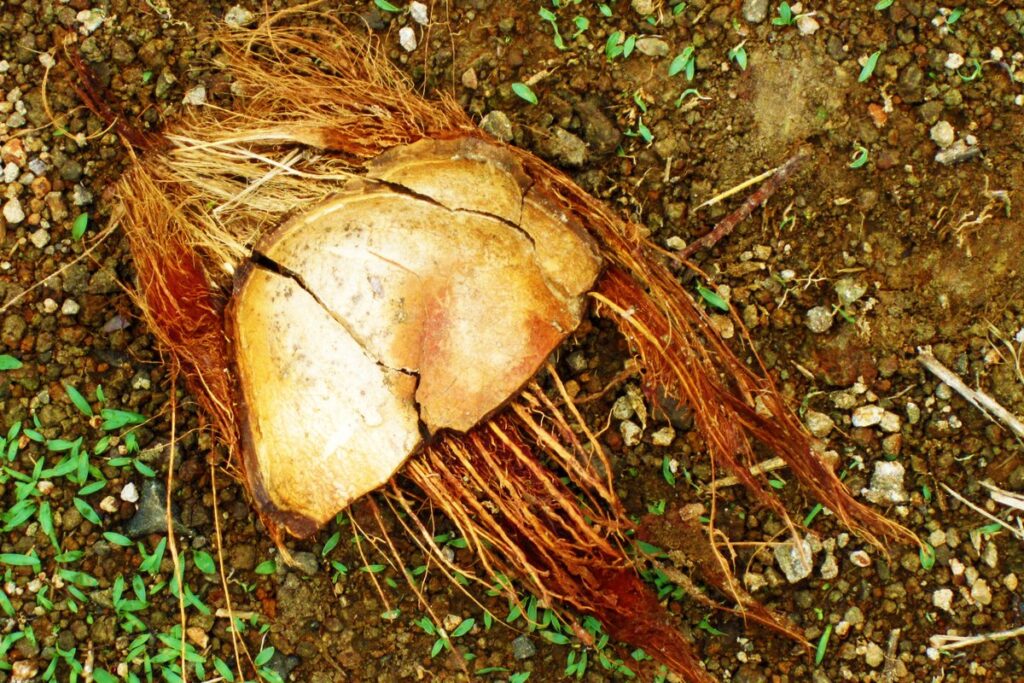
Orange areca nut has a distinctive bright orange skin, unlike ordinary areca varieties which tend toward green or brown.
This striking colour is not only aesthetically appealing; it also indicates higher content of certain compounds such as flavonoids and antioxidants.
The fruit has uniform size, dense flesh, and quality seed, making it ideal for a range of industrial needs.
You can compare this with other commercial types in Types of Areca Nut: Young, Split, and Orange Varieties.
Cultivation Potential of Orange Areca Nut
Resistant to pests and disease
Orange areca nut is known to be more resistant to several plant pests and diseases, which reduces pesticide costs and the risk of crop failure.
High productivity
The plant has a relatively fast harvest period and produces large quantities of fruit per tree each year.
Adaptable across land types
Orange areca nut grows well across different soil types, including marginally fertile land, making it an ideal choice for farmers in remote areas.
Higher selling value
Because of its uniqueness and quality, orange areca nut enjoys high demand in both local and export markets, especially for the pharmaceutical, cosmetics, and traditional food industries.
Economic opportunity
Orange areca nut is consistently sought after because it performs well raw, dried, and processed. It has the potential to open new business opportunities, from small household scale through to medium industry.
Processed products such as herbal supplements, natural dyes, and natural-ingredient cosmetics are highly profitable potential markets.
Challenges and Solutions in Areca Nut Cultivation
Despite the significant potential of orange areca nut cultivation, it is not free from challenges, such as limited availability of superior seedlings, limited information on modern cultivation, and minimal post-harvest infrastructure support.
Solutions to address these include:
- Encouraging collaboration between farmers, government, and research institutions for variety development and cultivation techniques
- Increasing training and extension support for local farmers, developing nursery centres, and building partnerships with processing industries
Closing
Orange areca nut is not merely an ordinary agricultural commodity. With agronomic advantages, high economic value, and broad industrial potential, orange areca nut cultivation can become one of the drivers of regional economic growth.
Support from various parties is essential for this potential to be realised optimally and sustainably.
To that end, PT. Agro Bumi Sumatera opens partnership opportunities for all areca nut farmers in Indonesia, particularly in Jambi.
We purchase areca nut harvests for export, given the high international demand for the commodity. We do this to strengthen the bargaining position of Indonesian farm produce on the world stage.
You can review the areca nut specifications we accept here. For further information, you can reach PT. Agro Bumi Sumatera’s contact desk here.
How Orange Areca Nut Compares with Ordinary Varieties
The difference buyers notice first is colour consistency. Ordinary areca nut often arrives with a mixed colour profile, green and brown fruit in the same lot, which complicates grading and forces more sorting at the destination.
Orange areca nut tends to produce a more even lot, so a higher proportion of the consignment lands in the upper grade band after drying.
Yield and grading economics
Grading is where farmgate economics are decided. Two lots can leave the farm at the same price per kilogram yet return very different value per hectare once graded, because the share that reaches premium grade differs.
A variety with uniform fruit reduces the proportion rejected or downgraded, which matters more to the grower’s margin than a small difference in headline price.
Post-harvest handling still decides the outcome
Variety sets the ceiling; handling decides how close the lot gets to it. Orange areca nut that is harvested too young dries unevenly, and fruit left wet after rain develops dull patches that read as lower grade regardless of origin.
Drying to a stable moisture level and sorting by colour before packing are the two steps that protect the premium the variety can command.
This is why we publish clear acceptance criteria rather than judging by appearance alone at the weighing station.
What Buyers Should Ask Before Committing
Three questions separate a reliable supply agreement from an optimistic one. First, what proportion of a typical lot actually meets the stated grade? Second, how is moisture verified at loading, and by whom? Third, what happens when a shipment lands below specification?
A supplier who can answer all three with a documented process, not a verbal assurance, is worth a longer-term arrangement.
Volume capacity matters too, but capacity without consistency simply moves the risk from the farm to the container.