Agro Bumi Sumatera – Areca nut production in Indonesia is among the largest in the world, yet the practical use of areca nut waste is rarely given attention.
The plant is spread widely across Sumatra, Kalimantan, Sulawesi, and parts of Papua. So far, the seed has been used for various purposes, from traditional medicine and cosmetics through to the habit of chewing areca nut (nginang).
However, as production rises, the waste problem from areca nut has also drawn attention because it is often not managed properly.
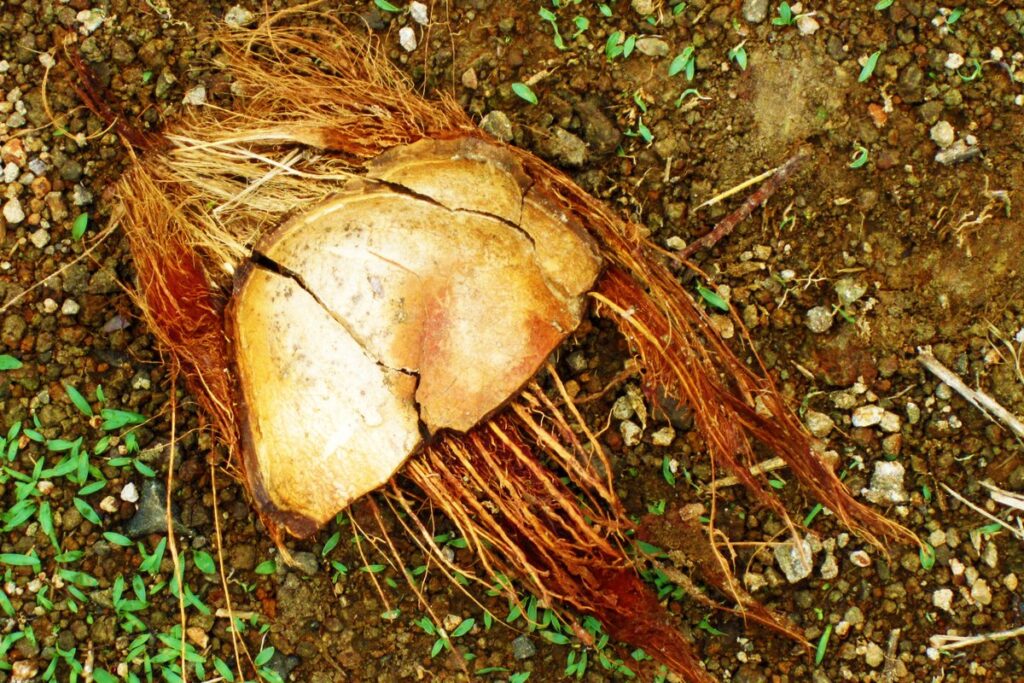
The most common waste from areca nut is the outer husk and the pulp left after processing. Usually this waste is simply dumped or burned, which actually harms the environment. Handled correctly, areca nut waste can become an eco-friendly product.
Daftar Isi
ToggleOpportunities for Utilising Areca Nut Waste
Areca nut husk contains fairly strong natural fibre that resists damage. Below are opportunities for using areca nut waste in household products:
- Craft materials, such as plant pots, decorative ornaments, and multi-purpose containers
- Biocomposite material, as an alternative to plastic in packaging products
- Organic fertiliser, because it carries natural nutrients that are good for soil fertility
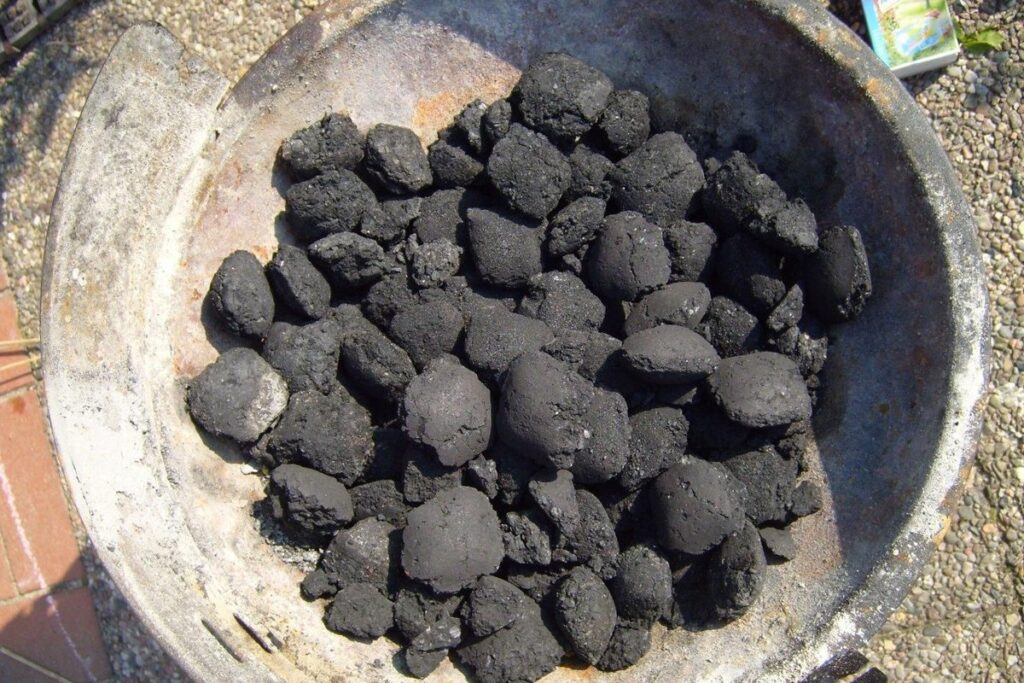
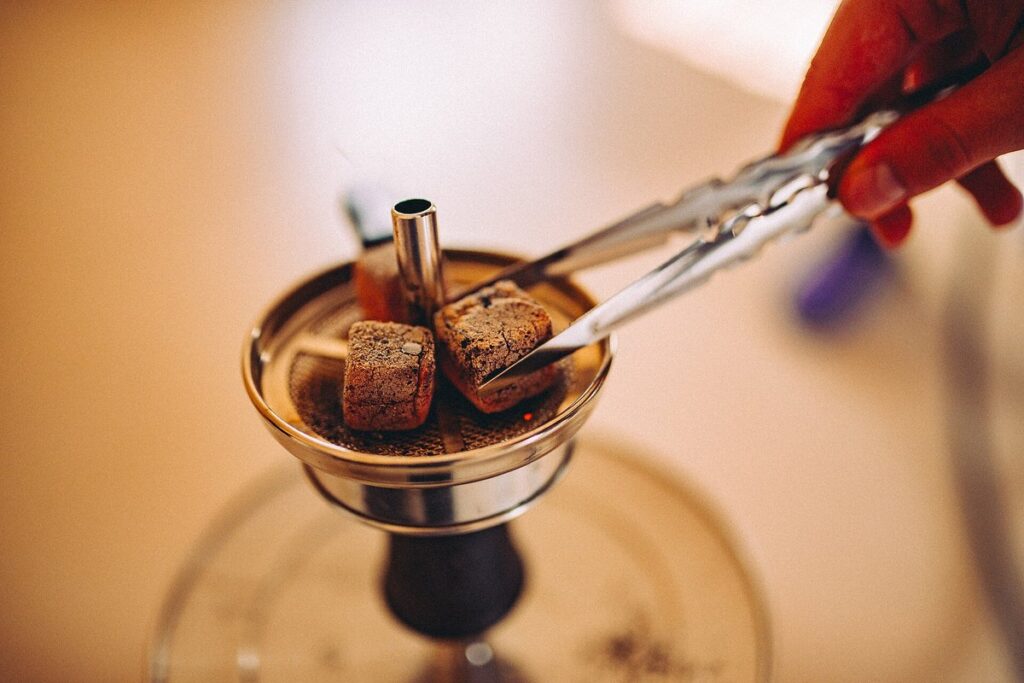
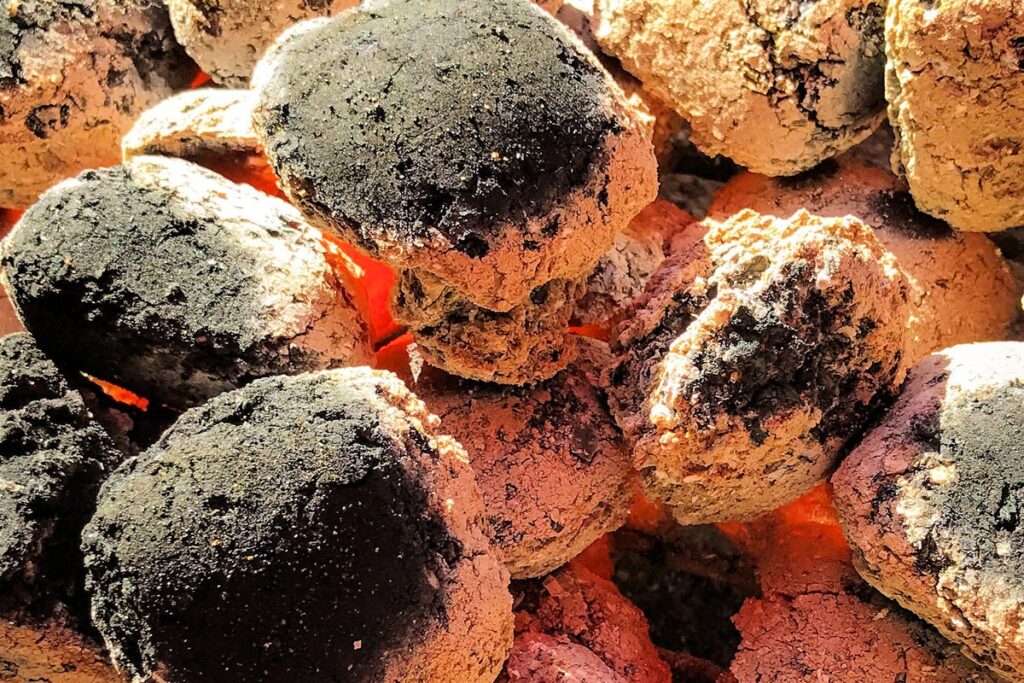
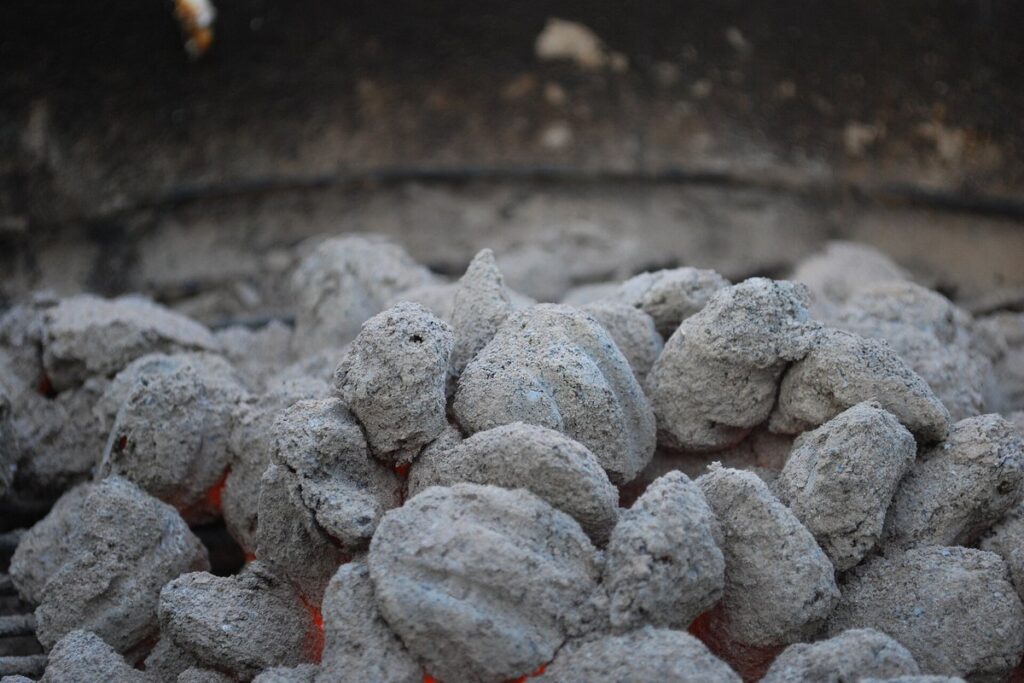
- Eco-friendly briquettes, made from dried and compacted areca nut waste pulp or powder
Positive Impact for the Environment and Community
Processing areca nut waste not only reduces pollution but also opens a new path for community economic empowerment. Several small businesses in producing regions have begun developing products based on areca nut waste, such as:
- Eco-friendly bags made from areca nut fibre
- Household tools made from a mix of organic waste materials
- Natural herbal soap, processed from areca nut pulp after extraction
Through this processing, communities not only reduce waste but can also raise income and create new jobs.
Obstacles and Practical Solutions
Despite the significant potential, a number of constraints remain in utilising areca nut waste, including:
- Limited technical knowledge and access to processing technology at farmer and small business level
- Shortage of shredding and drying equipment
- Limited market access for products made from waste materials
- These obstacles can be addressed through training programmes, production equipment support, and by encouraging promotion and education on the use of sustainable products among the public
Sustained innovation can turn waste into an eco-friendly product. Besides reducing the negative impact on the environment, this approach also creates promising economic opportunities. Mutual support between managers and the community will be highly beneficial.
Read more: Areca Nut Uses Across International Industries
Why Areca Nut Husk Fibre Is Worth Processing
Areca nut husk is a lignocellulosic material, meaning it is built from cellulose, hemicellulose, and lignin. That composition is what gives it tensile strength and resistance to decay, and it is also why the material is slow to break down when simply left on the ground.
Where husk is burned in the open, the loss is twofold: the fibre value is destroyed and smoke becomes an air quality problem in producing villages. Where it is composted or processed, the same material becomes feedstock.
How Each Product Stream Works in Practice
Biocomposite and packaging
Husk fibre is shredded, washed, and dried before being bound with a natural or biodegradable matrix. The resulting board or sheet can substitute for plastic in secondary packaging and in rigid containers.
The critical control point is moisture: fibre entering the press must be dry and consistent, otherwise the finished board warps or grows mould in storage.
Organic fertiliser and compost
Areca nut husk and pulp carry potassium and organic carbon, both useful for soil structure. Because the raw material has a high carbon to nitrogen ratio, it composts faster when blended with nitrogen-rich material such as animal manure.
A simple turning schedule over six to ten weeks is usually enough to produce stable compost that is safe to apply to food crops.
Eco-briquettes
Dried areca nut pulp or powder is compacted under pressure to form briquettes for household and small-industry fuel. Densifying the material raises its calorific value per unit volume and produces far less smoke than loose waste.
For a producer, the sequence is straightforward: collect, dry, grind, press, and cure. The drying stage is the bottleneck in the rainy season, which is why covered drying floors matter more than the press itself.
What a Workable Collection System Looks Like
Waste utilisation fails when supply is irregular, not when the technology is imperfect. A practical system starts with collection points at the processing site itself, where husk volume is already concentrated and does not need to be gathered from scattered farms.
From there, sorting removes stones and spoiled material, drying reduces moisture to a stable level, and storage keeps the feedstock covered. Only then does processing begin.
This order matters: a press running on damp feedstock produces weak briquettes and wasted energy, no matter how good the machine is.
The Commercial Case
For exporters, waste utilisation addresses a practical problem. Processing areca nut generates husk volume that has to be handled anyway, and disposal carries cost. Converting that volume into saleable material offsets handling costs and creates a second revenue line alongside the seed itself.
It also strengthens the sustainability profile that international buyers increasingly ask about during supplier assessment, particularly in European and East Asian markets.