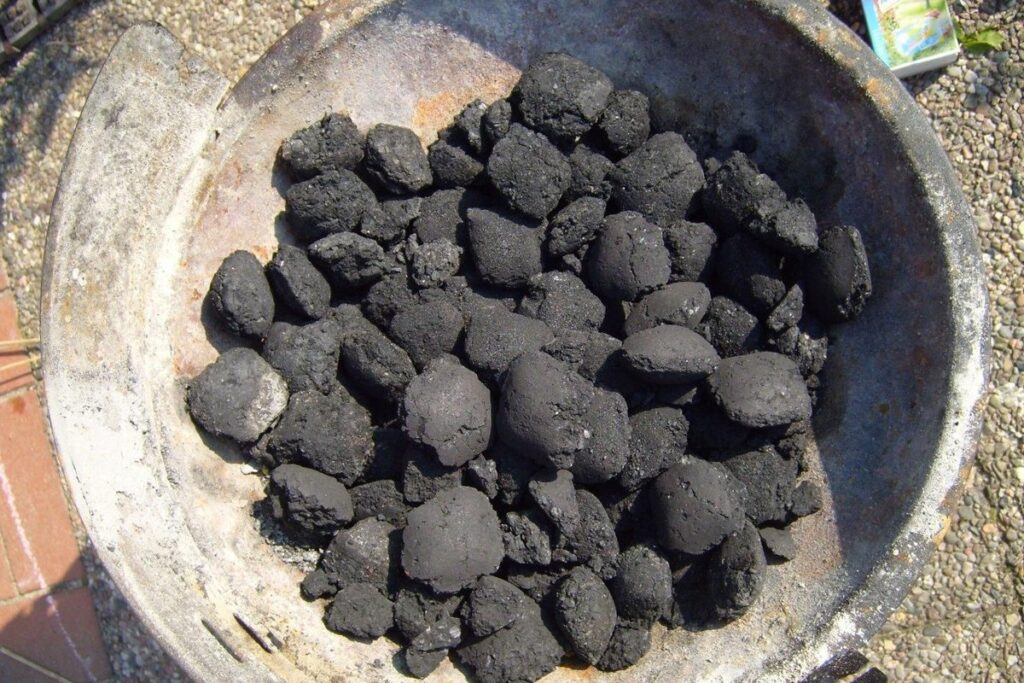
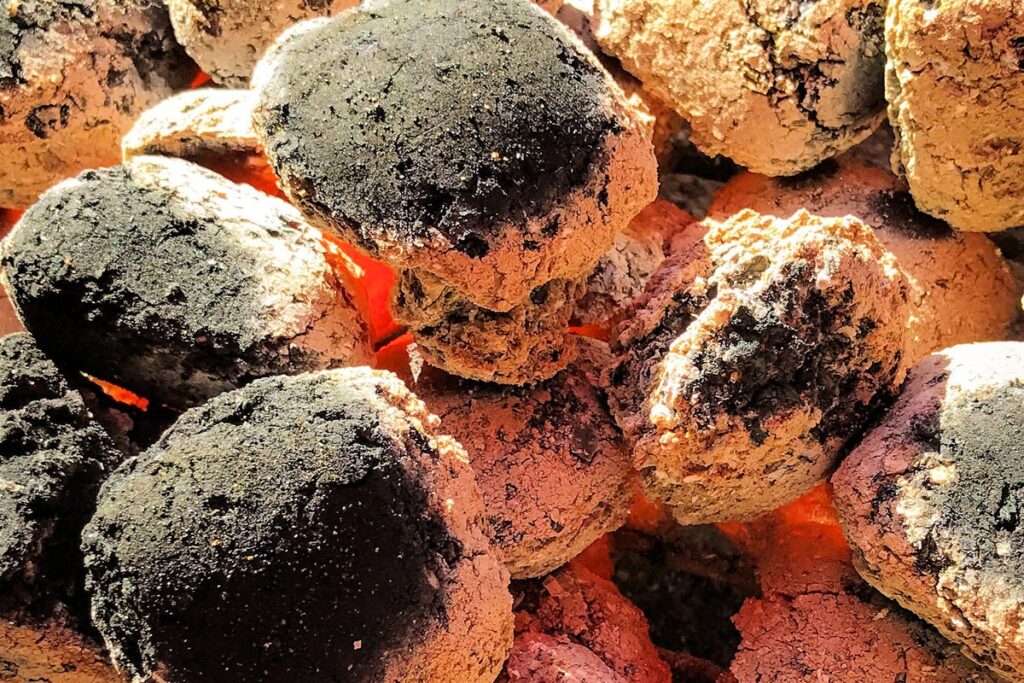
For charcoal briquettes export to Europe, the product itself is rarely what holds up a first order; the paperwork is. EU and UK buyers typically ask an Indonesian supplier for evidence of conformity with EN 1860-2, a safety data sheet in REACH format, labels in the language of the destination market, a traceable account of where the raw material comes from, ISPM 15 compliant pallets and clearly agreed Incoterms. Each of these can be settled before the first sample leaves the factory.
This article is written for importers, distributors, private-label brand owners and retail procurement teams in the European Union and the United Kingdom who are assessing a coconut shell briquette supplier for the first time. It is not legal advice; as importer of record you usually carry the obligations in your market, so your compliance adviser has the final word.
Key Takeaways
- Ask for the full document set at quotation stage, not after the sample has passed; it saves weeks of back-and-forth.
- EN 1860-2 is the European standard for barbecue charcoal and briquettes; agree the test laboratory and the scope of testing in advance.
- A REACH-format safety data sheet has 16 sections; the supplier drafts it, but the importer should review it, as REACH duties sit with whoever places the product on the EU market.
- UK buyers work under UK REACH, which may need its own version of the paperwork.
- Consumer labels normally need the official language of each destination country, including a carbon monoxide warning.
- Coconut shell is a by-product of coconut processing; ask for lot-level records that prove it.
- Treat certificates as questions to the supplier, and verify any copy with the issuing body.
Charcoal briquettes export to Europe: the usual request list
Most European buyers follow a similar sequence: specification and sample first, then safety documents, labelling, raw material origin and logistics. Buyers who send their list early get comparable answers from every supplier they shortlist.
The table below summarises the requests that come up most often and who normally prepares each one. The split is a common pattern, not a legal rule.
| What the buyer asks for | Named reference | Usually prepared by | Points to agree |
|---|---|---|---|
| Barbecue product conformity | EN 1860-2 | Supplier, with a laboratory test report | Which laboratory the importer accepts |
| Safety data sheet | REACH (16-section SDS format) | Supplier, reviewed by importer | Language and UK REACH version if needed |
| Retail label | Destination-country labelling rules | Importer or brand owner sets the text; supplier prints | Warnings, net weight, responsible party |
| Raw material origin | Buyer’s own sourcing policy | Supplier | Records from shell collection to shipment |
| Certificate of origin | Issued by the competent authority in Indonesia | Supplier | Format required for customs in the destination |
| Wooden pallets | ISPM 15 | Supplier or pallet provider | Visible IPPC mark on every pallet |
| Sea freight classification | IMDG Code (UN 1361, class 4.2) | Supplier with the freight forwarder | Whether a self-heating test exemption applies |
| Cost and risk split | Incoterms 2020 (ICC) | Agreed by both parties | FOB, CFR, CIF or DAP with a named place |
For the product range typically offered into this market, see our coconut charcoal briquettes page and the wider product overview.
EN 1860-2: settle the testing questions first
EN 1860-2 is the European standard covering barbecue charcoal and charcoal briquettes. Many European DIY chains and garden centres use it as a baseline when approving a new supplier. We deliberately do not quote its threshold values here: editions are revised, and retailers often apply internal specifications that are stricter than the standard itself.
A brochure line saying “complies with EN 1860-2” tells you little; you need a test report linked to a specific lot. Before accepting one, agree with your supplier:
- Which laboratory will test the product, and whether it must be accredited in Europe or can be an accredited laboratory in Asia.
- Whether the product is sold for barbecue use, where EN 1860-2 applies, or for other uses such as hookah, which buyers may assess against different criteria.
- Whether testing is needed for every shipment or a periodic report is acceptable.
- Which additional parameters, beyond the standard, are written into your purchase specification.
Indonesian producers often use SNI 01-6235-2000 (the national standard for wood charcoal briquettes) and the analytical methods of ASTM D1762-84 for internal quality control. Your acceptance criteria should still follow the reference named in your contract. Background on the raw material and how it behaves on the grill is in our guide to coconut shell charcoal for BBQ.
Safety data sheets under REACH and UK REACH
REACH is the EU regulation on the registration, evaluation, authorisation and restriction of chemicals. It also sets the format of the safety data sheet (SDS), a 16-section document covering product identity, hazards, composition, handling, storage, fire-fighting measures and transport information.
Whether a particular briquette needs an SDS, or triggers any registration or notification duty, depends on how the product is classified and on each party’s role in the supply chain. In general those duties sit with the company that places the product on the EU market, which is usually the importer. In practice the supplier prepares a complete SDS and the importer checks and adapts it. Since leaving the EU, Great Britain has operated its own regime, UK REACH, so a UK importer may need a separately reviewed version.
What a buyer should look for in the SDS
- Supplier identity, address and an emergency contact that actually answers.
- Hazard identification, including the risk of self-heating when stored in bulk.
- A plain description of composition: coconut shell charcoal and the binder used.
- Storage advice: dry, ventilated, away from heat sources and oxidisers.
- Transport information consistent with the IMDG status of the actual shipment.
Be wary of an SDS full of figures that match no test report. A field marked “not available” pending testing is more credible than an estimate that your auditor will later question.
Labelling in the language of the destination market
Briquettes sold to consumers through European retail almost always need labels in the official language of the country of sale. A pallet for Germany needs German text, one for France needs French, and a shipment for Belgium or Switzerland may need several languages on the same bag. The importer or brand owner, who answers to the local market surveillance authority, normally supplies the final text.
Elements commonly found on European briquette labels include:
- Product name and intended use, such as outdoor barbecue.
- Net weight; for example, a 3 kg bag or a 10 kg carton (illustrative sizes only, not a statement of our pack range).
- A clear warning not to burn the product indoors because of the risk of carbon monoxide poisoning.
- Instructions for lighting and extinguishing safely.
- Name and address of the responsible party in the destination market.
- A production lot code that ties the bag back to factory records.
Private-label and plain-pack options can be discussed at quotation stage. Send artwork with approved translations; asking a supplier to translate safety warnings is a common cause of relabelling at the importer’s warehouse, and the cost usually lands on whoever made the error.
Raw material traceability and certification questions
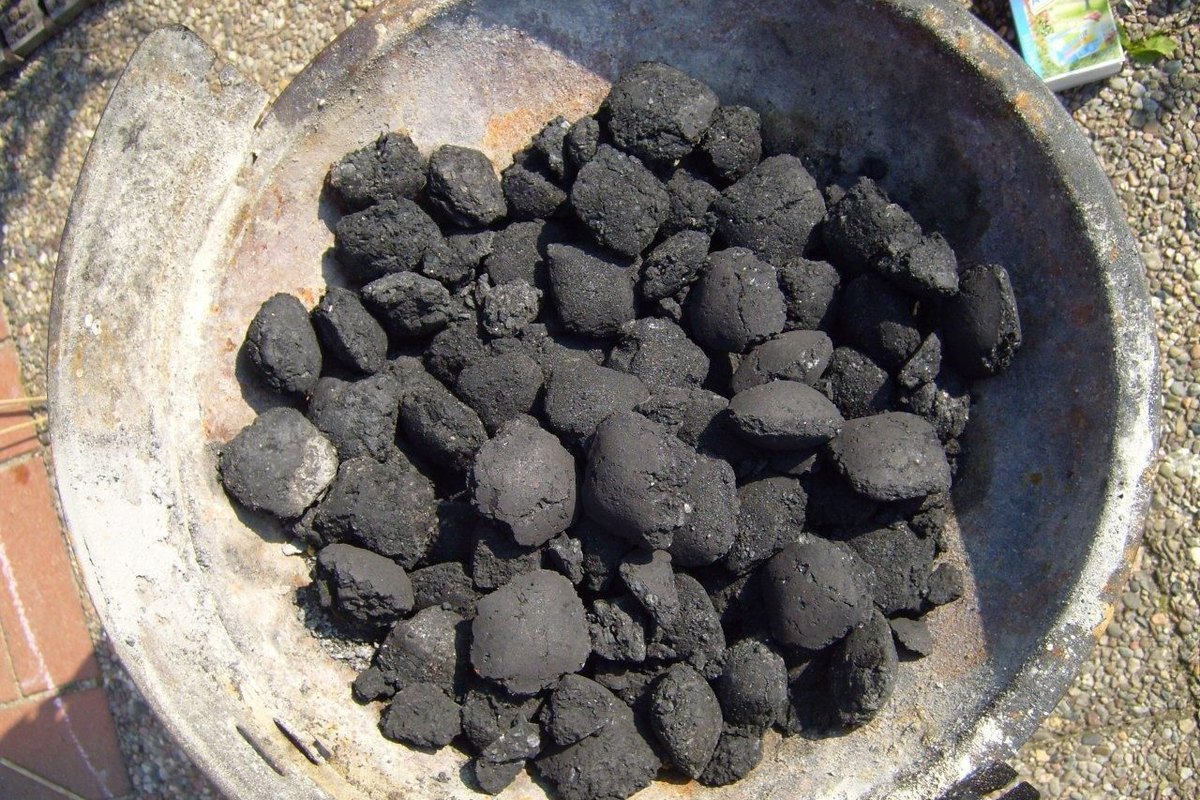
European sourcing teams increasingly ask where the raw material comes from. Coconut shell briquettes have a straightforward story: the shell is a by-product of processing coconuts for copra, coconut milk or oil, so no trees are felled to make the charcoal. A sourcing policy still needs records.
Traceability records worth requesting
A simple chain is enough to start with: the region the shell comes from, the collector or shell supplier, the date it was received at the factory, the production lot number and the container number on shipment. An auditor’s question can then be answered per lot. Photographs, such as those in our gallery, help a remote buyer before a visit.
Certification: ask, then verify
Some buyers require specific schemes, for instance FSC for wood-based products, a quality management system or a social audit. Whether a forestry scheme is relevant to coconut shell, which is not forest wood, is something to discuss with your own retail customer, as policies vary. The sound approach is to ask any supplier directly: which certificates do you hold, who issued them, when do they expire, and can the copy be verified with the issuing body? Do not assume a certificate exists until you have checked the document.
EU supply chain rules continue to evolve. If you are unsure whether a newer requirement covers charcoal briquettes or your destination country, confirm with your customs broker or compliance adviser, and share the answer with your supplier.
Shipping: ISPM 15, the IMDG Code and container choice
Briquettes bound for Europe usually travel in 20-foot or 40-foot containers. Loadable quantity per container is confirmed in the quotation, not assumed.
If the cargo is palletised on wood, the pallets must meet ISPM 15. The wood is heat treated until the core reaches 56 °C for at least 30 minutes, or fumigated with methyl bromide, and then stamped with the IPPC mark. Unmarked pallets can be held at the port of discharge.
Under the IMDG Code, charcoal is listed as UN 1361, class 4.2, a substance liable to spontaneous combustion. Some briquettes can be exempted from dangerous goods provisions if they pass the self-heating test under special provision 925, using test N.4 of the UN Manual of Tests and Criteria. The supplier and freight forwarder should settle this before booking space, as it affects the documents and vessel choice.
Shipping documents usually include a commercial invoice, packing list, bill of lading, certificate of origin and whichever test reports were agreed. How we handle bulk orders and documentation is described on our charcoal briquettes supplier in Indonesia page.
Incoterms 2020 for EU and UK importers
The Incoterms 2020 rules published by the ICC define where costs and risk pass from seller to buyer. Four terms come up most often in this trade:
- FOB: the seller covers costs until the goods are loaded on board at the port of origin; risk then passes to the buyer.
- CFR: the seller pays ocean freight to the destination port, but risk passes to the buyer once the goods are on board.
- CIF: as CFR, plus minimum insurance arranged by the seller.
- DAP: the seller delivers to an agreed place in the destination country, excluding import duties and clearance.
Importers with their own freight contracts tend to buy FOB; first-time importers often prefer CFR or CIF. Whichever term you choose, write the rule, the named place and the version in full, for example “CIF Rotterdam, Incoterms 2020” or “CFR Felixstowe, Incoterms 2020”. For charcoal briquettes export to Europe, the term also decides who handles insurance, destination port charges and customs inspection. Prices and minimum order quantities for each term are confirmed through a request for quotation.
FAQ
Which documents do I need to import charcoal briquettes into Europe?
Most buyers request a test report referencing EN 1860-2, a REACH-format safety data sheet, approved label artwork in the destination language, raw material origin records, a certificate of origin, commercial invoice, packing list and bill of lading. Wooden pallets must also carry the ISPM 15 mark. Requirements vary by importer and country, so send your supplier a written list before production starts.
Do charcoal briquettes need REACH registration?
It depends on the product’s classification and each party’s role in the supply chain, so there is no single answer. REACH duties generally fall on the company placing the product on the EU market, which is normally the importer. Ask your supplier for a complete 16-section SDS, then have your compliance adviser confirm whether any registration or notification applies. UK importers should check UK REACH separately.
What language should briquette labels be in for the EU?
Consumer labels normally use the official language of each country of sale: German for Germany, Dutch for the Netherlands, French for France. Countries with more than one official language may require multilingual packaging. The importer or brand owner should supply the final text, particularly the carbon monoxide warning, because they carry responsibility towards the local market surveillance authority.
Is FSC certification required for coconut shell briquettes?
FSC is a forestry scheme for wood-based products, whereas coconut shell is a by-product of coconut processing. Whether your retail customer expects it depends on their own sourcing policy, so check with them first. Then ask any supplier exactly which certificates they hold, who issued them and when they expire, and verify the copies with the issuing body before signing a contract.
Which Incoterm suits a first charcoal briquettes export to Europe?
Buyers without their own freight contracts often choose CFR or CIF, because the seller books the vessel to the destination port. Experienced importers tend to prefer FOB so they can use their own forwarder. Always state the rule, the named place and Incoterms 2020 in the contract. Prices for each option are confirmed through a request for quotation, not a general price list.
Conclusion
A charcoal briquettes export to Europe runs most smoothly when the document pack is agreed before production: an EN 1860-2 test report tied to a lot, a REACH-format SDS reviewed by the importer, labels in each destination language, lot-level records of the coconut shell, ISPM 15 marked pallets, an IMDG status confirmed with the forwarder and Incoterms written out in full. Where something is uncertain, including certification and newer rules, put the question in writing and keep the answer on file.
If you are an importer, distributor or brand owner in the EU or UK and would like to discuss specifications, documents or sample timing, send a request for quotation via export WhatsApp +62 812-7444-4459, call our office on +62 813-6666-888 or email ade@agrobumisumatera.co.id. Prices and minimum order quantities are confirmed through a request for quotation. More about the company is on our about us page, background reading is in the coconut charcoal briquettes guide, and other contact options are on the contact page.