A BBQ grill with a smoker is the piece of equipment that decides how much of your cook you spend cooking and how much you spend managing a fire. The designs on the market differ enormously in fuel use, capacity and attention required, and the right choice depends almost entirely on what you actually cook.
This guide compares the four main configurations of a BBQ grill with a smoker, what each costs to run, and why the charcoal you load matters as much as the steel you buy.
Daftar Isi
ToggleWhat to Look For in a BBQ Grill With a Smoker
Before comparing types, four specifications decide whether a BBQ grill with a smoker holds temperature or fights you:
- Wall thickness and mass. Heavy steel and ceramic hold heat through temperature swings and wind. Thin steel loses heat as fast as the fire makes it, which forces constant vent adjustment.
- Lid and door sealing. Every gap is an uncontrolled air inlet. A well-sealed cook chamber is the difference between a two-vent fire and a fire you cannot slow down.
- Cooking capacity per fuel load. Measured in kilos of meat per hour of unattended burn. This is where design matters more than size.
- Ash management. A fire basket that clogs with ash kills airflow halfway through a long cook. Low-ash fuel and a removable ash pan solve it.
Everything else, including brand and finish, is secondary to these four.
Offset Smoker: Best for Large Cuts and Crowds
An offset smoker places the firebox beside the cooking chamber, so heat and smoke travel horizontally across the meat. It is the classic Texas brisket configuration and still the standard at competition level.
Strengths: very large capacity, strong smoke profile, easy access to both fire and food, and room for full packer briskets and multiple pork shoulders at once.
Weaknesses: the most fuel-hungry design because heat is lost through the large chamber and the connecting throat. Expect roughly 4 to 5 kg of briquettes for a six-hour session, and active fire management every 45 to 60 minutes. Wind and cold weather hit offsets harder than any other design.
Offsets reward cooks who enjoy tending a fire. If you want to set a temperature and walk away, this is not the right cooker. For a crowd, though, no other BBQ grill with a smoker delivers this much cooking capacity per load.
Kamado Grill: The Most Fuel-Efficient BBQ Grill With a Smoker
A kamado is a thick ceramic egg with a sealed lid and a single controlled air path. The ceramic mass and tight sealing mean very little heat escapes, so a small fuel charge holds temperature for a very long time.
Strengths: by far the lowest fuel consumption, exceptional temperature stability, works as a grill, smoker and oven, and handles wind and cold far better than steel. A kamado can run twelve hours on a single load of coconut briquettes using the snake or minion method.
Weaknesses: smaller usable capacity for the footprint, heavy, and expensive per square centimetre of cooking surface. Adding fuel mid-cook means opening a hot ceramic lid, which is slow and loses heat.
For a household or a small restaurant cooking one or two large cuts at a time, a kamado is usually the most economical BBQ grill with a smoker to run.
Bullet and Vertical Water Smokers
Bullet smokers stack two or three sections: a fire bowl at the bottom, a water pan in the middle and a cooking chamber on top. The water pan buffers temperature and adds humidity.
Strengths: the most forgiving design for beginners, inexpensive, and genuinely stable once it settles. A bullet runs well on 2 to 3 kg of briquettes for a six-hour cook, less than an offset of similar capacity.
Weaknesses: limited capacity, the water pan needs refilling on long cooks, and the humid environment produces a softer bark than a dry offset.
If you are buying your first smoker, this is the design that gives the fewest failed cooks while you learn fire management. It is also the cheapest route into a BBQ grill with a smoker that genuinely holds temperature.
Hybrid and Dual-Fuel Grills
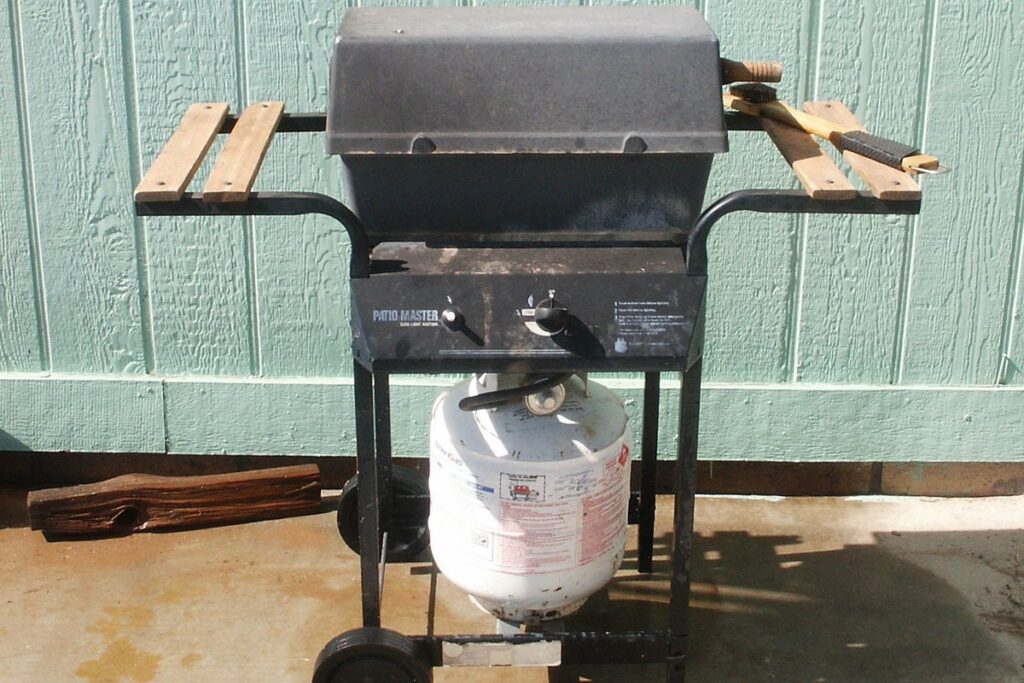
A hybrid or dual-fuel grill combines a gas side with a charcoal tray or a dedicated charcoal section. The pitch is convenience on weeknights and real smoke at weekends from one footprint. It is the most flexible BBQ grill with a smoker on the market, but it is a compromise by design.
Strengths: genuinely useful for households that cook quickly four nights a week and smoke occasionally. No second appliance, no second gas bottle or charcoal store.
Weaknesses: the charcoal side is almost always smaller and less well insulated than a dedicated smoker, so it suits ribs and shorter sessions rather than an overnight brisket. Temperature control is coarser than a kamado.
Our guide to the {L(‘best-gas-grills-2026′,’best gas grills 2026’)} explains what to check on the gas side of a hybrid before buying.
Fuel Choice: Why the Charcoal Matters as Much as the Grill
The best-insulated smoker in the world cannot hold temperature on fuel that burns unevenly. In a long cook, the fuel spec decides whether you sleep or whether you get up every hour.
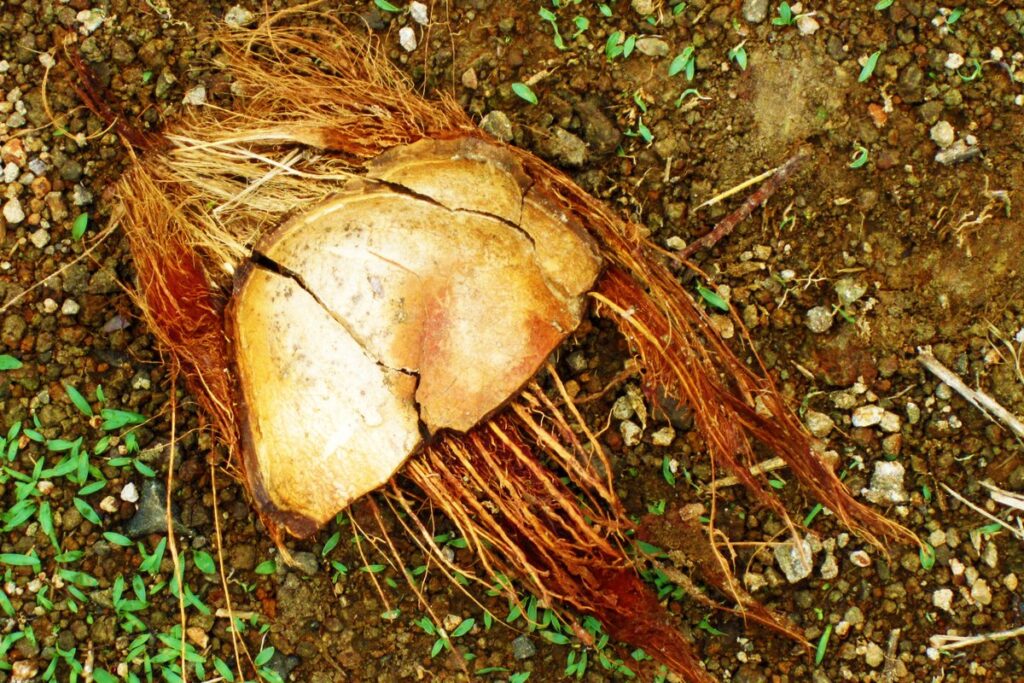
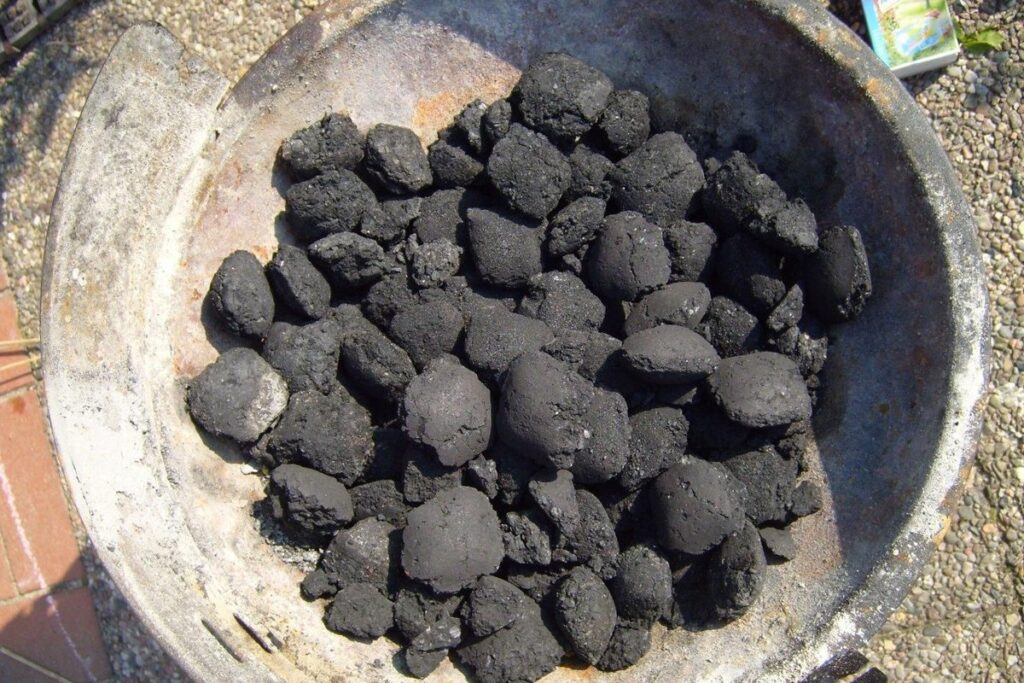
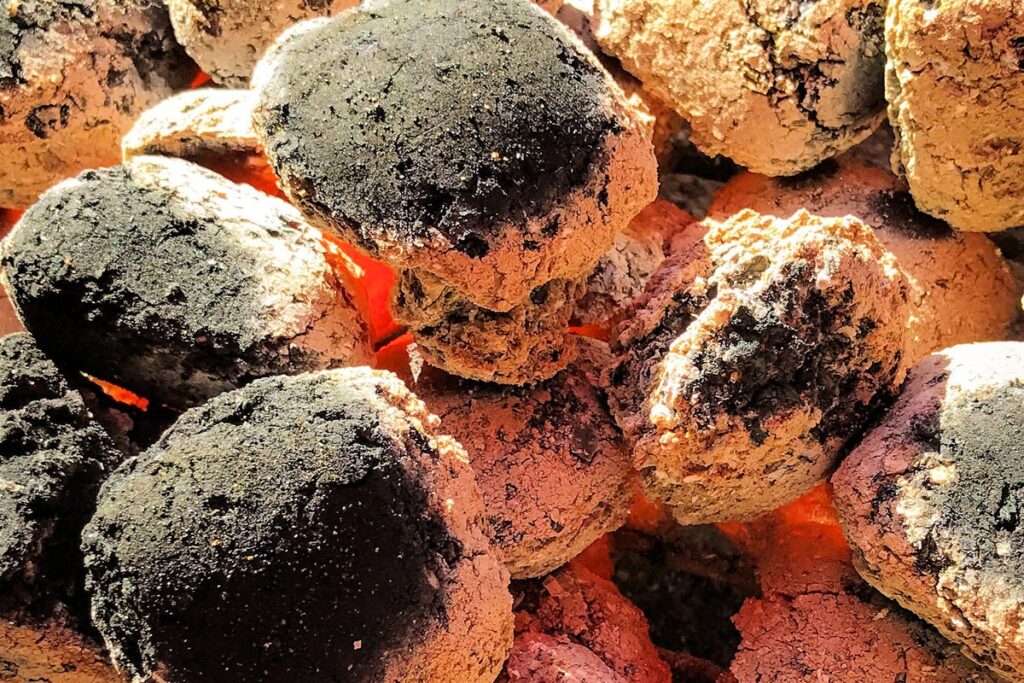
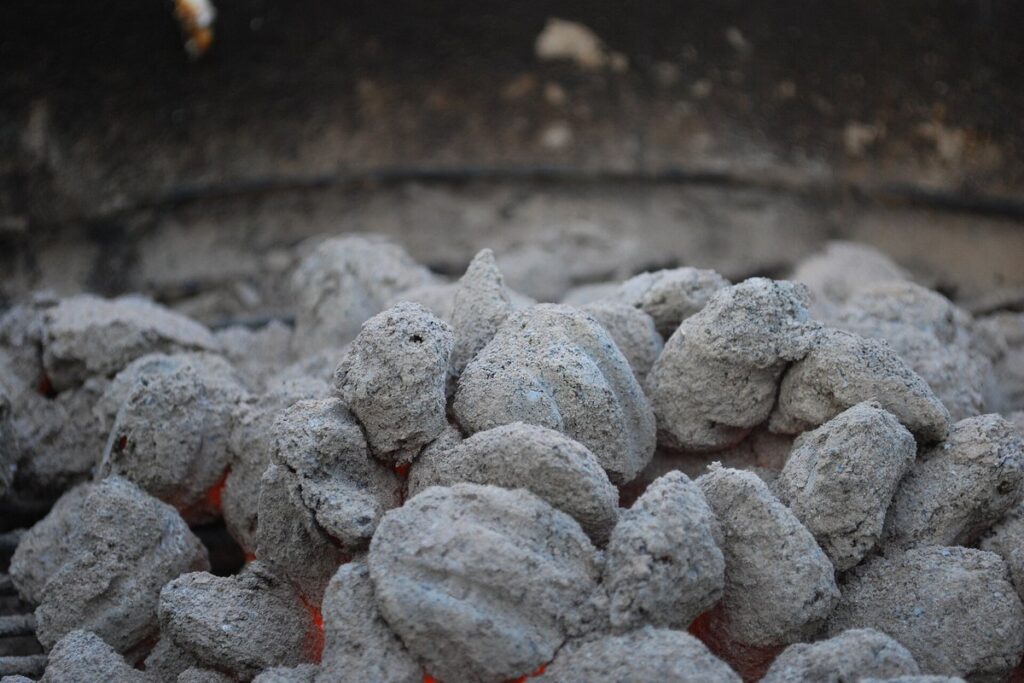
Coconut shell charcoal briquettes are a strong fit for any of the designs above because of three numbers: fixed carbon of minimum 75 to 80%, ash of maximum 1.8 to 2.5%, and a burn time of up to 2.5 to 3+ hours per load at grilling temperature.
Low ash matters more in a smoker than anywhere else, because airflow through the fire basket is the only thing keeping the fire alive. Wood charcoal at 5 to 8% ash clogs the basket halfway through a long cook.
Whichever BBQ grill with a smoker you choose, load the fire basket and add two to three wood chunks for grilling on top for the smoke profile. Full specifications are on the coconut charcoal briquettes page, and a cost-per-hour comparison of fuels is in our grill briquettes guide.
Frequently Asked Questions
What is the best BBQ grill with a smoker for beginners?
A bullet or vertical water smoker is the most forgiving entry point: it is inexpensive, holds temperature well and runs on a simple bed of coconut shell briquettes. Offset smokers give more capacity but demand more attention to fire management.
How much charcoal does a BBQ grill with a smoker use?
A bullet smoker uses around 2 to 3 kg of briquettes for a 6 hour cook. A full-size offset smoker uses roughly 4 to 5 kg for the same session, because more of the heat is lost through the larger cooking chamber.
Can I use coconut charcoal briquettes in a BBQ grill with a smoker?
Yes, and they are the ideal base fuel. Their consistent density holds 110 to 135°C for hours on a single load, they produce max 1.8-2.5% ash, and they burn without sparks or flare-ups, which makes overnight cooks far more predictable.
Offset smoker or kamado: which is better?
Kamado cookers are far more fuel-efficient and hold temperature with almost no adjustment, which suits long overnight cooks. Offset smokers offer more cooking capacity and a stronger smoke profile, but need more fuel and more active fire management.
Do gas and charcoal hybrids actually work?
A hybrid or dual-fuel grill gives you gas for fast midweek cooking and a charcoal tray for weekend smoke sessions. The charcoal side is usually smaller than a dedicated smoker, so it suits shorter sessions rather than overnight brisket.
Related Charcoal & Grilling Guides
- Grill Briquettes
- Lump Charcoal for Grilling
- Wood Chunks for Grilling
- Best Gas Grills 2026
- Blues Hog Charcoal
- Coconut Charcoal Briquettes
- Shisha Charcoal Briquettes Supplier
- Charcoal Briquettes Supplier in Indonesia
- Coconut Shell Charcoal for BBQ
Product: Coconut Charcoal Briquettes — Export Grade for BBQ, Grill & Shisha