Wood chunks for grilling are the difference between food cooked over fire and food cooked with fire. They do not supply meaningful heat, and treating them as fuel is the most common mistake backyard cooks make. What they supply is the smoke compounds that create bark, colour and aroma.
This guide covers which species to use with which meat, how many chunks a cook actually needs, why soaking is a myth, and how to pair wood with a charcoal base.
Daftar Isi
ToggleWhat Are Wood Chunks for Grilling?
Wood chunks are fist-sized pieces of seasoned hardwood, typically 5 to 10 cm across. They are cut from split logs rather than ground and pressed, so they retain the grain structure of the original timber.
That size is deliberate. A chunk smoulders rather than flames, releasing smoke slowly over 45 to 90 minutes. Small shavings burn off in 10 to 20 minutes, which is why wood chips suit short gas-grill sessions in a foil pouch but not a six-hour brisket.
Chunks should be seasoned, meaning air-dried for at least six months. Green wood contains moisture and sap that produce steam and acrid white smoke instead of the thin blue smoke you want.
Wood Chunks for Grilling vs Wood Chips vs Pellets
Three smoke formats, three different jobs:
| Format | Smoke duration | Best application |
|---|---|---|
| Wood chunks | 45 to 90 minutes each | Long cooks, offset smokers, charcoal grills |
| Wood chips | 10 to 20 minutes | Short gas-grill sessions, smoker boxes, foil pouches |
| Pellets | Continuous, fed by auger | Pellet smokers with automatic feed |
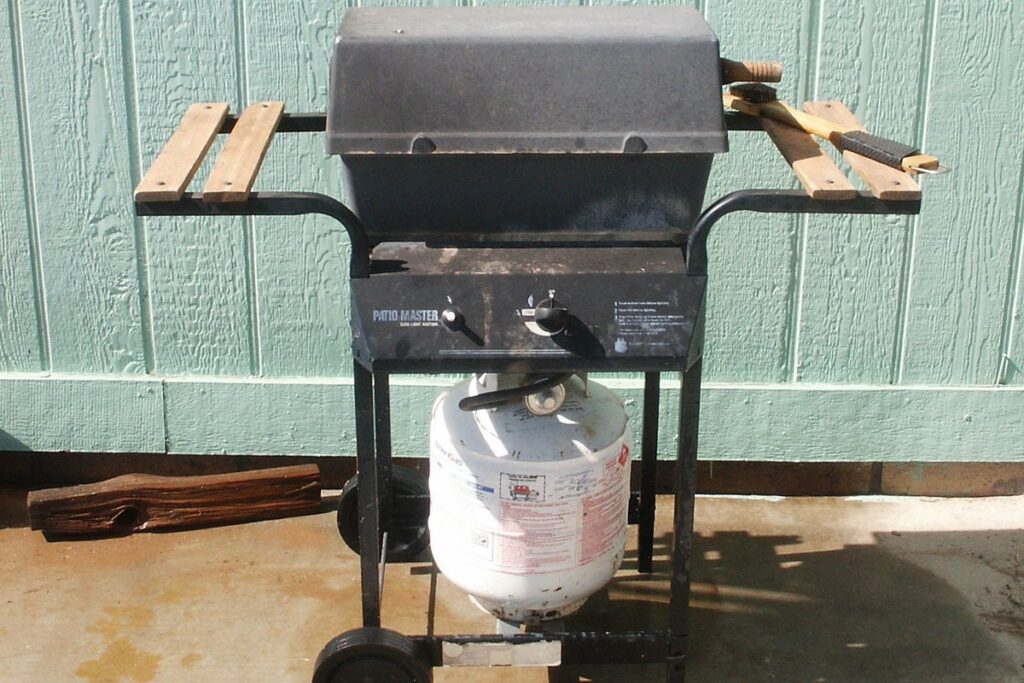
If you own a charcoal grill or offset smoker, chunks are the practical choice: you place them once and they work unattended. If you own a gas grill, chips in a smoker box are the only realistic route to real smoke, because there is no coal bed to hold a chunk.
For the full picture on gas versus charcoal as a heat source, see our breakdown of the {L(‘best-gas-grills-2026′,’best gas grills 2026’)} shortlist criteria.
Best Wood Species for Each Meat
Wood choice is a flavour decision, and the general rule is that stronger wood suits stronger meat. The four species below cover most of what a charcoal cook needs.
- Hickory: the strongest common smoke, bacon-like and assertive. Best with pork ribs, pork shoulder and beef short rib. Too heavy for fish and poultry.
- Oak: medium strength, clean and long-burning. The default for brisket and beef ribs, and a safe all-rounder.
- Pecan: medium, slightly sweet, sits between hickory and oak. Excellent for long beef cooks and for poultry when used sparingly.
- Apple and cherry: mild and fruity. The right choice for chicken, turkey, pork loin and salmon, where heavy smoke overwhelms the meat.
- Mesquite: very strong and hot-burning. Suits direct-grilled beef, but it is too aggressive for long smoking.
Use one species at a time until you know it. Blending three woods on a first cook tells you nothing about which one worked.
How Many Wood Chunks for Grilling Should You Use?
Restraint is the skill here. Oversmoking produces a bitter, creosote-heavy result that no sauce fixes, and it is the single most common reason home-smoked meat tastes worse than a restaurant version.
- Kettle grill, 45 to 60 minute cook: two to three fist-sized chunks.
- Bullet or vertical smoker, 4 to 6 hour cook: three to four chunks at the start, then one or two per hour.
- Offset smoker, 8 to 12 hour cook: four to six chunks initially, adding two per hour to maintain a thin blue smoke.
The visual check matters more than the count. Thin, faintly blue smoke is correct. Thick white or grey smoke means the wood is smouldering badly or still wet, and that is what creates bitterness.
Should You Soak Wood Chunks for Grilling?
No, and the reason is simple physics. Water has to evaporate before wood can pyrolyse, so a soaked chunk spends its first twenty minutes producing steam and dirty smoke rather than flavour compounds.
The soaking myth survives because people confuse more visible smoke with better smoke. It is the opposite. Dry chunks ignite cleanly on a hot coal bed, smoulder steadily and give the thin blue smoke that actually deposits flavour.
If a chunk catches flame instead of smouldering, the fire is too hot underneath or the chunk is too small. Move it to the edge of the coal bed rather than soaking it.
Pairing Wood Chunks for Grilling With Coconut Charcoal
Smoke needs a stable heat source to work properly. If the fire swings, the wood alternates between smouldering and flaming, and the smoke profile becomes inconsistent.
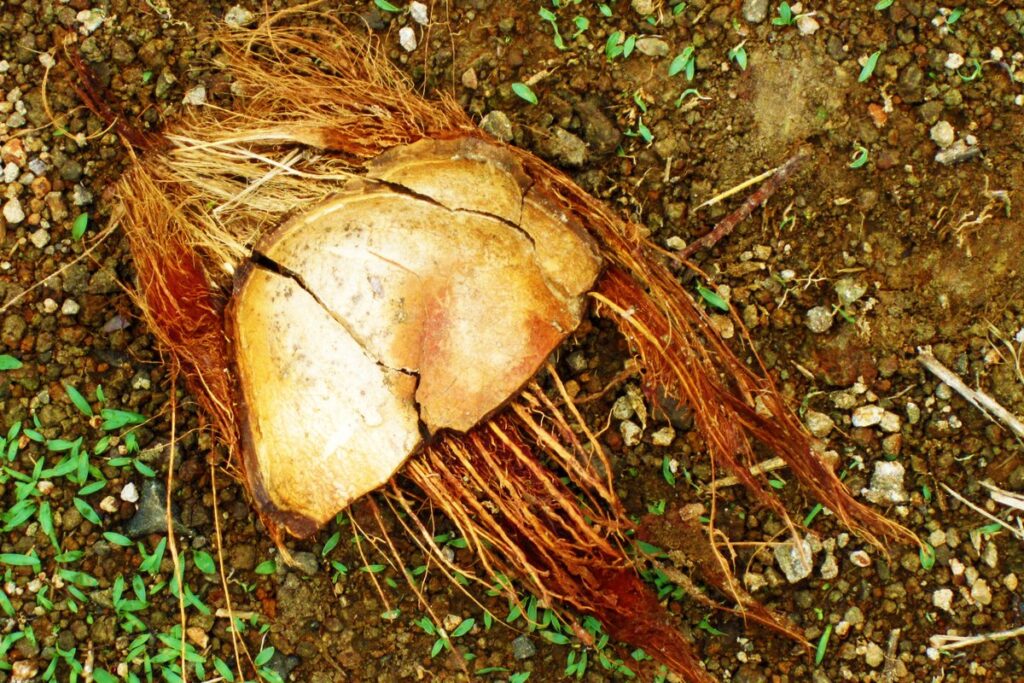
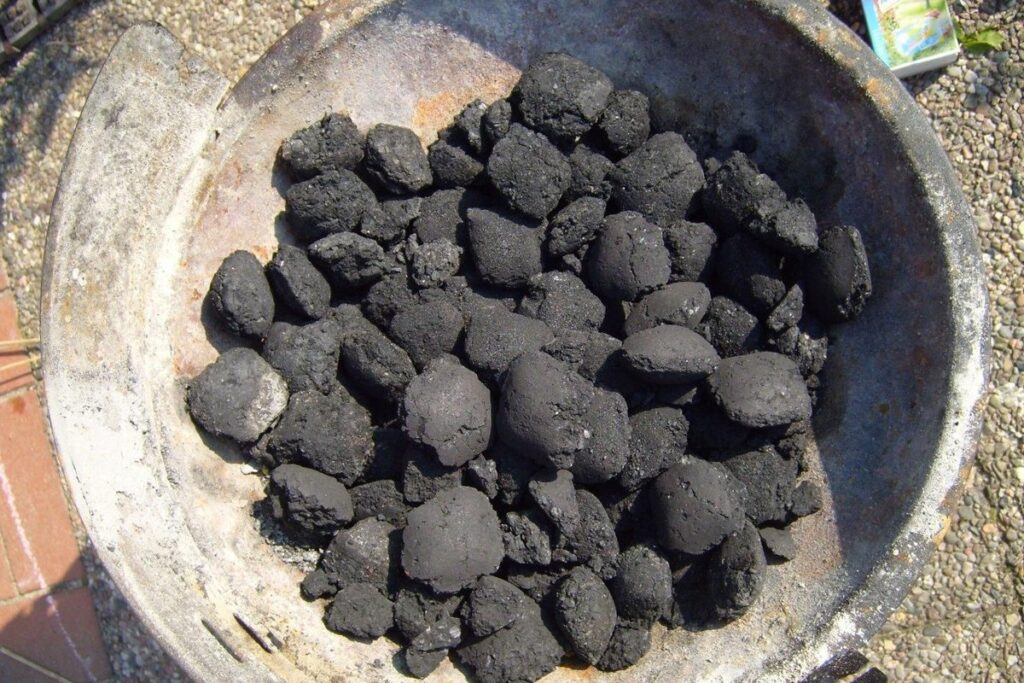
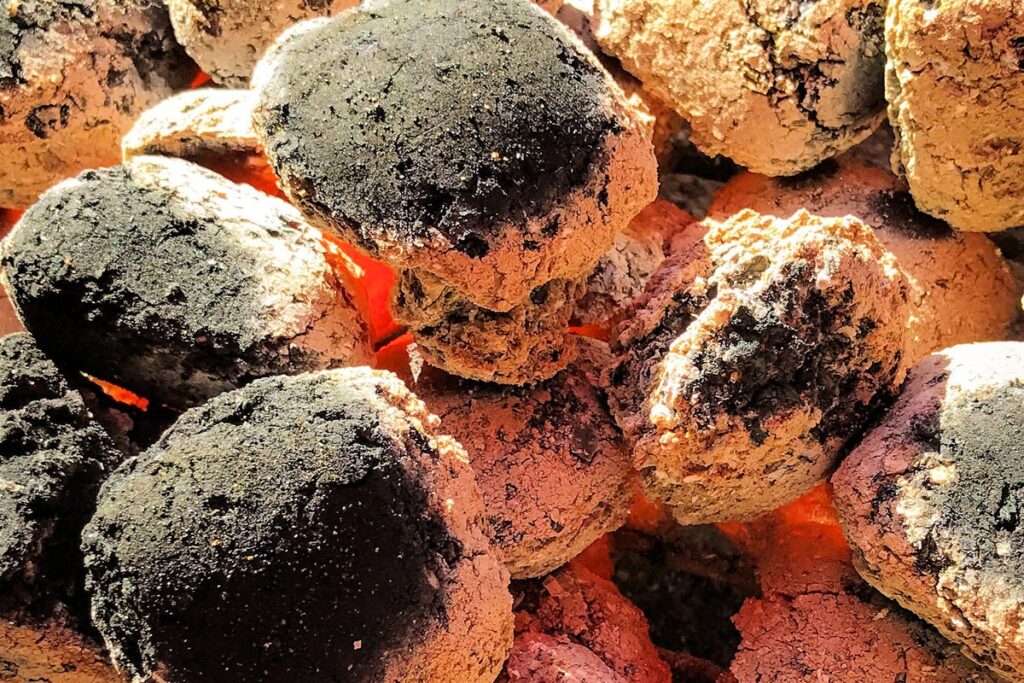
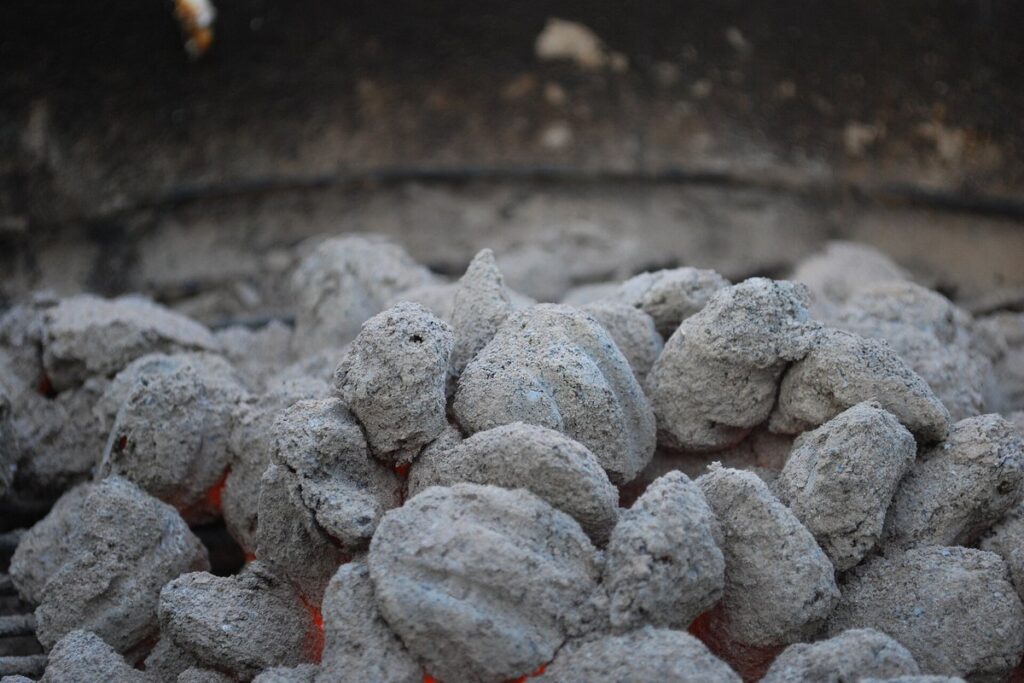
That is why coconut shell briquettes make a good base: uniform density, 2.5 to 3+ hours of steady heat, and ash under 2.5% so airflow through the coal bed stays open for the whole cook. Place two or three chunks directly on the lit briquettes before the food goes in, and replenish as the session runs.
The full specification for the base fuel is on the coconut charcoal briquettes export page, and the burn time comparison with other fuels is in our grill briquettes guide.
Buying Wood Chunks for Grilling With Your Charcoal Order
Importers and restaurant groups often want wood and charcoal on the same shipment to avoid two sets of freight and customs paperwork.
Our production focus is coconut shell charcoal briquettes, exported in 20ft containers of approximately 14 to 15 tonnes from Tanjung Priok or Talang Duku. For full container buyers we can help arrange wood chunks for grilling through our partner network, depending on species, piece size and volume, and we will confirm what is available before you commit.
Frequently Asked Questions
How many wood chunks for grilling should I use?
For a standard kettle grill, two to three fist-sized chunks placed on the lit coals is enough for a 45 to 60 minute cook. For a long offset smoker cook, use four to six chunks and add two more every hour to keep a thin blue smoke.
Should you soak wood chunks for grilling before use?
No. Soaking adds surface moisture that has to evaporate before the wood smokes, which produces steam and dirty white smoke. Dry wood chunks light cleanly and give the thin blue smoke you actually want.
What is the best wood for smoking brisket?
Oak and hickory are the classic choices for brisket, with hickory giving a stronger, bacon-like smoke and oak giving a cleaner, longer burn. Pecan is a good middle ground for long cooks.
What is the difference between wood chunks for grilling and wood chips?
Wood chunks are fist-sized pieces that smoulder for 45 to 90 minutes and suit long cooks. Wood chips are small shavings that burn off in 10 to 20 minutes, which suits short gas-grill smoke sessions in a foil pouch or smoker box.
Can you supply wood chunks for grilling alongside coconut charcoal briquettes?
Our production focus is coconut shell charcoal briquettes. For buyers placing full container orders we can help arrange wood chunks for grilling through our partner network depending on the species and volume required.
Related Charcoal & Grilling Guides
- Grill Briquettes
- Lump Charcoal for Grilling
- BBQ Grill With a Smoker
- Best Gas Grills 2026
- Blues Hog Charcoal
- Coconut Charcoal Briquettes
- Shisha Charcoal Briquettes Supplier
- Charcoal Briquettes Supplier in Indonesia
- Coconut Shell Charcoal for BBQ
Product: Coconut Charcoal Briquettes — Export Grade for BBQ, Grill & Shisha